A Beginner’s Guide to Ordering at a Cuban Bakery in Aurora CO
@keeganwvhq904
October 29, 2026 · 15 min read
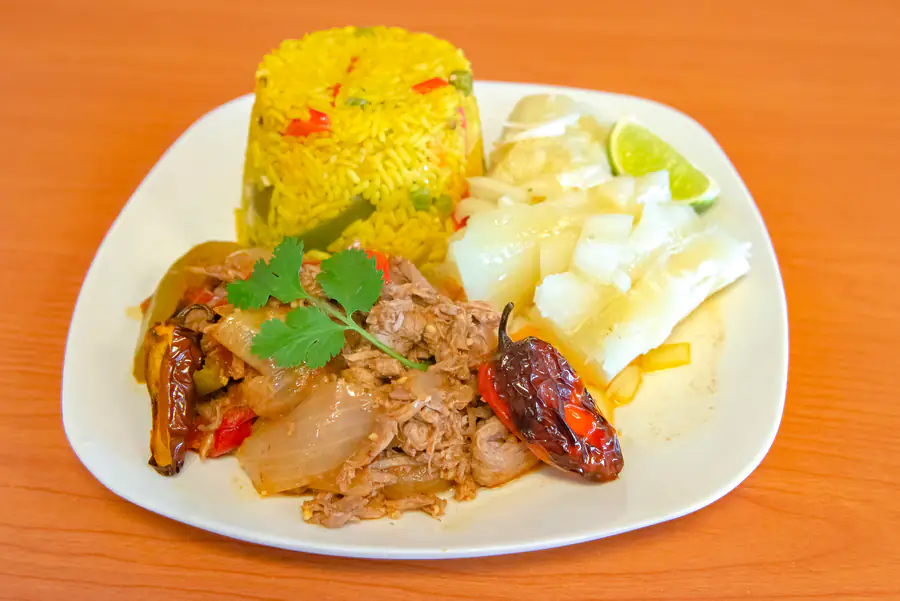
Walking into a Cuban bakery for the first time can feel equal parts inviting and slightly overwhelming. The room usually smells like butter, espresso, toasted bread, and guava. The pastry case glows. People ahead of you seem to know exactly what they want. Orders move quickly, and the menu may mix English and Spanish in a way that leaves a newcomer trying to decode breakfast, lunch, coffee, and dessert all at once.
That is normal.
If you are visiting a Cuban bakery in Aurora CO for the first time, you do not need perfect Spanish, deep knowledge of Cuban food, or even a plan. You need a little context, a sense of what is worth trying first, and a practical way to order without freezing at the counter. Once you understand the rhythm of a Cuban bakery, the experience gets much easier, and much more enjoyable.
Aurora is the kind of city where local food reflects many histories at once. Cuban bakeries fit naturally into that mix. They serve neighborhood regulars grabbing coffee on the way to work, families picking up pastries by the dozen, and curious first-timers who want something richer and more personal than a chain breakfast sandwich. A good bakery can handle all three without losing its pace.
What a Cuban bakery is, and what it is not
A Cuban bakery is not just a pastry shop, though the pastry case is often what draws people in first. In practice, it tends to sit somewhere between a bakery, a coffee counter, a quick lunch spot, and a neighborhood meeting place. You may see trays of savory pastries next to sweet ones, sandwiches pressed to order, and coffee drinks served in small cups with more intensity than most people expect from a casual bakery.
That mix matters because it changes how you order. At a French bakery, people often browse slowly and choose one or two pastries. At a Cuban bakery, especially during breakfast or lunch rush, people may move with purpose. They know whether they want pastelitos, croquetas, Cuban toast, a café con leche, or a full sandwich. The menu is often broader than it first appears.
The pace can surprise beginners. Staff are usually friendly, but they may also be efficient in a way that assumes you have looked at the case and made a decision. That is not rudeness. It is simply the rhythm of a busy counter where half the room came in for a fast breakfast before work.
The first thing to know at the counter
When you approach the register, the simplest strategy is to divide your order into three parts in your own mind: something savory, something sweet, and something to drink. You do not need all three, but thinking this way helps narrow a menu quickly.
If it is morning, many first-timers do well with a pastry and coffee. If it is closer to lunch, a pressed sandwich and a side pastry make more sense. If you are bringing food to an office or home, a box of mixed items is common and usually appreciated.
The staff may ask whether you are eating there or taking food to go. They may also ask whether you want anything heated. In many bakeries, heating makes a big difference. A guava and cheese pastry at room temperature is good. Warmed properly, it becomes flaky, fragrant, and much more expressive. The same is true for savory items like ham croquettes or meat pastries.
The menu terms that help the most
You do not need to memorize the entire vocabulary, but a few common terms will make the experience smoother.
- Pastelito usually refers to a flaky pastry, often filled with guava, cheese, coconut, meat, or cream cheese.
- Croqueta is a breadcrumb-coated roll, typically filled with ham or chicken béchamel, then fried.
- Café con leche is strong espresso mixed with steamed milk, often served sweet unless you specify otherwise.
- Cuban toast or tostada is buttered Cuban bread, pressed and crisped, often served with coffee.
- Medianoche and Cuban sandwich are both pressed sandwiches, but they are not identical in bread or feel.
Those five words cover a surprising amount of ground. Even if you say them with a Colorado accent, you will be understood.
What to order if you have never had Cuban bakery food before
Most people enjoy Cuban bakery food most on the second visit, not the first. The first visit is when you learn what style of sweet pastry you like, how strong the coffee runs, and whether you prefer a flaky handheld item or a full sandwich. The second visit is when you order with confidence.
For a true beginner, the safest first order is usually one sweet pastry, one savory item, and one coffee. That gives you a clear sense of the bakery’s strengths without committing to a giant lunch.
A classic combination might be a guava and cheese pastelito, a ham croquette, and a café con leche. It works because each item shows a different side of the bakery. The pastry gives you the Cuban love of contrasting sweet fruit and soft dairy inside crisp layers. The croquette shows the snack side of the menu, rich, salty, and satisfying. The coffee ties it all together and helps explain why so many people build this stop into their daily routine.
If you are hungrier, move toward a sandwich. A Cuban sandwich is usually the most recognizable choice for newcomers, but do not overlook the medianoche if the bakery offers one. It is often built with similar fillings, typically roasted pork, ham, Swiss cheese, pickles, and mustard, but served on a softer, slightly sweeter bread. Some people prefer it because it feels less crusty and a bit more forgiving as a first try.
Sweet pastries: what you are actually looking at
The pastry case can be the most intimidating part of the room because many items look similar at first glance. You may see rows of golden rectangles, twists, triangles, and sugar-dusted rounds. The differences are often in the filling rather than the shape.
Guava pastry is one of the signature flavors for a reason. Guava has a floral sweetness and gentle tartness that cuts through butter and sugar without becoming heavy. When paired with cream cheese or a soft cheese filling, it gives you the classic sweet-salty balance that makes Cuban pastries distinct from simpler fruit turnovers.
Cheese pastries tend to be milder and less fruity. Coconut pastries can be sweeter and more dessert-like. Meat-filled pastries are often more practical for breakfast or a quick lunch. If you are standing at the case unsure where to begin, just ask which pastry is most popular that day. In a good bakery, staff can point you toward what is fresh and moving quickly.
Freshness matters. A pastry baked that morning should feel light in the hand, crisp at the edges, and layered rather than dense. If you are taking pastries home, ask which ones hold best for a few hours. Guava and cheese usually travel well. Anything with delicate icing or a very crisp exterior is best eaten sooner.
Savory favorites that regulars order without thinking
Savory bakery items are where many first-time visitors end up wishing they had ordered more. Sweet pastries get attention because they are visible. Savory snacks earn loyalty because they are deeply practical. They work for breakfast, they fit into a short lunch break, and they reheat reasonably well.
Croquetas are one of the easiest entry points. They are rich but small, crisp outside and creamy inside, and easy to pair with coffee. A couple of croquetas can function as a snack, though a truly hungry person may need more than that.
Empanada-style pastries or meat pastelitos offer a bit more substance. Depending on the bakery, the filling may be seasoned ground beef, chicken, ham, or another savory mixture. These are often the best choice for someone who wants something portable and less delicate than a sweet pastry.
Then there are sandwiches. This is where a Cuban bakery often shifts from snack shop to full meal destination. Bread quality matters enormously here. Proper Cuban bread should have a crisp crust and a light interior, not a heavy chew. Pressed sandwiches should emerge warm, compact, and balanced, not greasy or flattened into oblivion. Good pressed bread crackles slightly when cut, while still yielding to the filling.
Coffee culture is part of the meal
Many newcomers treat the coffee as an afterthought. That is a mistake. At a Cuban bakery, coffee is not background. It shapes the whole experience.
Cuban coffee is often stronger and sweeter than what people expect if their point of reference is a standard drip coffee from a national chain. Portions may look small, but the flavor is concentrated. A café con leche is usually the most approachable choice for beginners because the milk softens the intensity while keeping the espresso front and center.
If you like your coffee less sweet, say so when you order. Some bakeries make drinks in a fairly traditional style that leans sweet by default. Others will ask your preference. If you are sensitive to caffeine and ordering in the afternoon, keep in mind that even a small Cuban coffee can hit harder than a larger, weaker drink elsewhere.
One of the simple pleasures of a Cuban bakery is dipping toasted bread into café con leche. It is not fancy, but it is deeply satisfying. The buttered toast softens just enough, the coffee cuts the richness, and breakfast suddenly makes sense in a way that cereal never could.
How to order without slowing down the line
This is the part many beginners worry about, especially during a busy morning. The answer is not to rush blindly. It is to prepare in a very small way.
Before you reach the register, spend a minute looking at the pastry case and wall menu. Decide whether you want a pastry, a sandwich, or both. Think about your drink. If you want something heated, note that too. By the time staff greet you, you should be close enough to ready that the order can move naturally.
A smooth first order might sound like this: “I’ll take one guava and cheese pastry, two ham croquettes, and a café con leche. Please warm the pastry and croquettes. That’s to go.” Clear, polite, and easy to process.
If you need help choosing, ask a focused question rather than a wide open one. “Which sweet pastry is most popular?” works better than “What should I get?” The first question helps staff answer quickly and usefully. The second can slow things down when there are ten people behind you.
A few practical phrases that help
You do not need Spanish, but some menu language can make the interaction feel easier and more respectful. It is also common in many local bakeries for customers to switch casually between English and Spanish terms.
- “I’d like this one” works perfectly if you are pointing at the pastry case.
- “Can you warm that up?” is worth asking for most pastries and croquettes.
- “For here” and “to go” matter more than people realize during a rush.
- “Not too sweet, please” can help with coffee if the bakery customizes it.
- “What came out fresh?” is a smart question if you want the best version of an item.
That last one is especially useful. In bakeries, timing can matter as much as recipe. The item that came out fresh twenty minutes ago will often outperform the one that has sat for half the morning.
Timing your visit makes a difference
If you dislike making decisions under pressure, avoid the busiest breakfast window on your first trip. Mid-morning often gives you a better chance to look around, ask one or two questions, and notice what locals are ordering. Lunch rush can be just as fast as breakfast in some places, particularly where sandwiches are a major draw.
Early visits bring the best shot at the fullest pastry case. Later visits can still be rewarding, but popular items do sell out. That is usually a good sign, not a problem. Bakeries that move product quickly tend to keep things fresher. Still, if you have your heart set on a specific pastry, especially on a weekend, earlier is safer.
There is a trade-off. Going earlier gets you first pick, but going a little later can mean shorter lines and a calmer first experience. For a beginner, I usually suggest the first visit happen outside the peak rush, then return during breakfast once you know your favorites.
Bringing food home, or ordering for a group
Cuban bakery food is excellent for sharing, but there is a right way to build a group order. The goal is variety without overloading on one texture or flavor. Too many sweet pastries and the box starts to feel repetitive. Too many croquettes and everything tastes rich in the same way.
For a family breakfast or office treat, the best move is a balanced mix. Get a few guava and cheese pastries, a few cheese-only pastries, some savory items, and enough coffee or drinks to support the spread. If sandwiches are part of the order, ask whether they are best eaten immediately or can hold for a short drive.
Heat retention matters. Pressed sandwiches are usually at their peak right away. Pastries travel better. Croquettes can soften if boxed too tightly while hot. A bakery that does a lot of takeout will usually know how to pack around these issues, but it never hurts to ask.
If you are feeding a group with mixed tastes, remember that guava can be unfamiliar to some people. It is beloved by many, but not universal. Pair it with more familiar savory items and plain cheese pastries so everyone has an easy entry point.
Common beginner mistakes, and how to avoid them
The most common mistake is ordering by appearance alone. A beautiful pastry may not be the right fit if you wanted something savory or less sweet. A second mistake is underestimating the coffee. People sometimes order a large meal and a tiny coffee, then realize the coffee is the most memorable part. Another frequent misstep is skipping the hot items because they look simple in the case. Freshly warmed croquettes and pressed sandwiches often outperform fancier-looking desserts.
There is also a subtle error people make when they compare a Cuban bakery too closely to another style of bakery. They expect giant pastries, extremely sugary frosting, or coffee drinks built like desserts. Cuban bakery food usually aims for something different. The sweetness can be pronounced, but it is often balanced by salt, butter, cheese, or strong coffee. The portions are not always oversized, but they are satisfying in a focused way.
Finally, some beginners order only one item and leave with an incomplete picture. If you truly want to understand why people love a Cuban bakery in Aurora CO, order across categories at least once. One pastry and one coffee tell part of the story. Add a savory item, and the place makes more sense.
How to tell when you have found a good local spot
A strong Cuban bakery does not need to be polished in a showy way. What matters more is turnover, aroma, bread quality, and confidence behind the counter. If the case looks active, the coffee is moving, and regulars come in knowing exactly what they want, that is a healthy sign.
Watch what happens when sandwiches come off the press. Listen for the crisp cut. Notice whether pastries look flaky rather than limp. Smell the espresso. Those cues tell you more than décor does.
Service style also matters. The best neighborhood bakeries often feel brisk but warm. Staff may not give long menu speeches, yet they usually know their products well and can steer you if you ask directly. That kind of practical hospitality is often a hallmark https://donovanxmvx160.summitviewdaily.com/posts/treats-worth-trying-at-a-cuban-bakery-in-aurora-co of places that serve their community every day rather than catering to occasional novelty seekers.
The easiest way to become a regular
The path from first-timer to regular is shorter than you think. Visit once for breakfast and once for lunch. Try one sweet item, one savory pastry, one sandwich, and at least one coffee. Pay attention to what you actually crave afterward. Some people become loyal to guava pastries. Others return for pressed sandwiches. Plenty of people simply want a proper café con leche and buttered toast before work.
Soon enough, you stop feeling like you are deciphering a menu and start ordering by instinct. You know whether you want flaky pastry or pressed bread, whether your coffee should be sweet or not, and whether today calls for a quick croqueta or a full sandwich. That familiarity is part of the charm.
A Cuban bakery is one of those places where confidence changes the experience. The food was always good. You just needed a little context to meet it on its own terms.
For anyone curious about trying a Cuban bakery in Aurora CO, that is really the whole point. Go in hungry, order simply, warm what should be warm, and let the bakery teach you the rest.
Cuba Bakery & Café
15028 E Mississippi Ave, Aurora, CO 80012
+1 303-752-2822
FAQ About Cuban bakery Aurora CO
What are Cuban pastries called?
Many small Cuban pastries are called pastelitos. They can have sweet or savory fillings, such as guava, cheese, guava and cheese, or seasoned meat. Cuba Bakery & Café lists guava, cheese, guava-and-cheese and beef pastries on its menu. Ask the bakery about current availability and ingredients when ordering.
What are traditional Cuban pastries?
Common Cuban bakery choices include flaky pastelitos filled with guava, cheese or meat. Cuban bakeries may also offer empanadas, breads and desserts alongside coffee. Cuba Bakery & Café lists pastelitos, several empanada fillings, pan Cubano and desserts such as tres leches and bread pudding. Selection can vary, so confirm the day's choices with the bakery.
What makes Cuban bread different?
Cuban bread is known for its light interior and a thin crust that becomes crisp when toasted or pressed. Traditional recipes often use lard, although ingredients vary by baker. It is commonly served as buttered toast or used for Cuban sandwiches. Cuba Bakery & Café lists pan Cubano and tostada on its menu; ask staff about the ingredients in their bread if you have dietary restrictions.