Classic Flavors That Define a Great Pie Shop
@keeganwvhq904
October 23, 2026 · 15 min read
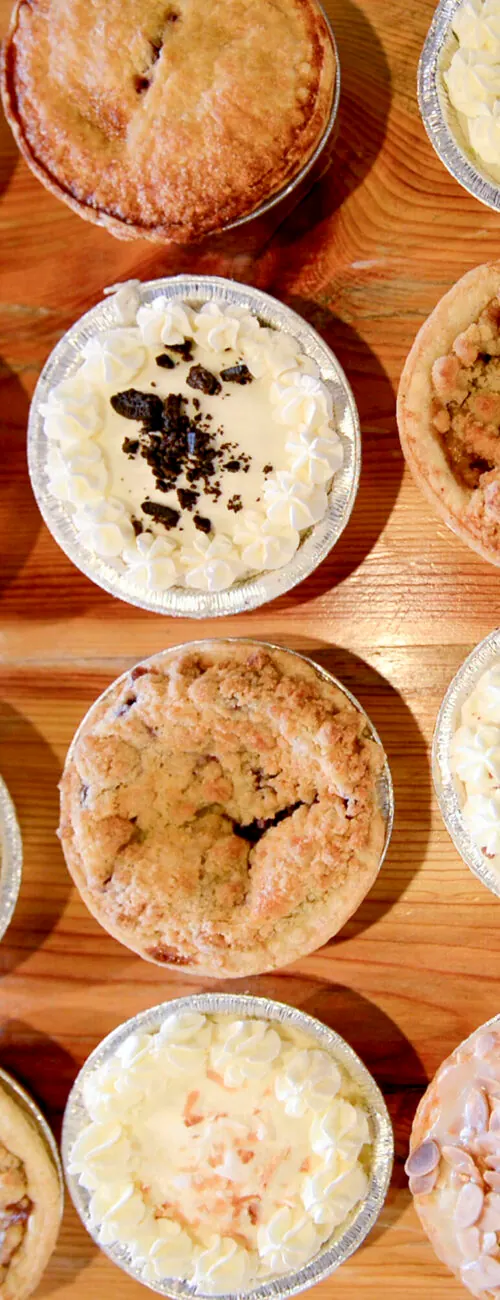
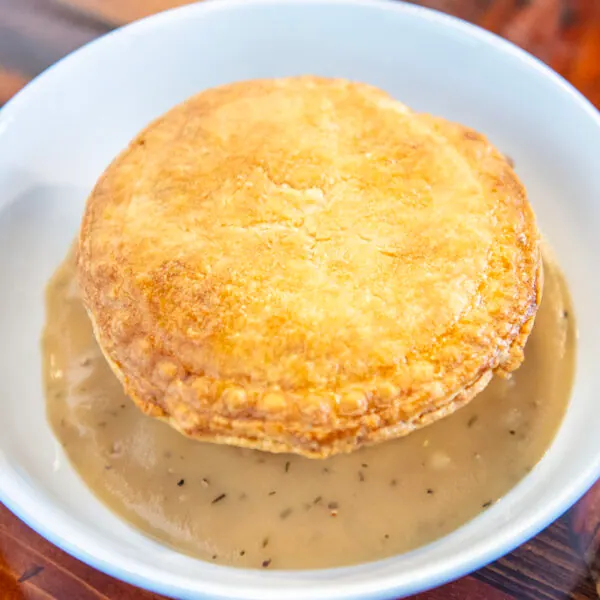

A great pie shop can impress people with laminated signage, polished cases, and a rotating menu full of novelty, but the real test is simpler than that. It comes down to the classics. If a shop cannot produce a deeply flavored apple pie with a crust that stays crisp, or a silky chocolate cream pie that slices cleanly and tastes balanced rather than sugary, all the seasonal experiments in the world will not save its reputation.
Classic pies matter because they leave nowhere to hide. There is no gimmick in a proper pumpkin pie, no trick in a clean lemon meringue, no camouflage in a well-made pecan. Every decision shows. The flour blend in the crust, the amount of salt, the cut of the fruit, the hold time in the display case, the way the filling sets overnight, all of it is visible on the plate. Customers may arrive excited by a special flavor, but most of them decide whether to return based on the standards.
That is true in every good pie shop I have known. The places that build loyal followings are not necessarily the ones with the longest menus. They are the ones that can turn out familiar pies with discipline and grace, day after day, through changing weather, shifting fruit quality, and the relentless pressure of holiday volume. The classics define the shop because they reveal whether the bakers understand structure, restraint, and flavor.
The crust tells the truth first
Before anyone comments on filling, spice, sweetness, or presentation, they notice the crust. Sometimes they do not say it aloud, but they know when it is wrong. A crust that shatters into dry crumbs, turns leathery under fruit, or tastes like nothing at all undermines even excellent filling. In a pie shop, crust is not background. It is half the pie, sometimes more.
A great classic pie crust carries a few unmistakable traits. It tastes of butter or shortening, or a thoughtful combination of the two, rather than just toasted flour. It has enough salt to sharpen the filling. It holds its shape without going tough. Most importantly, it behaves differently depending on the pie. A bottom crust under peach filling needs resistance against juice. A prebaked shell for coconut cream should stay delicate and crisp. A double crust over apple needs browning, flake, and enough structure to support steam and bubbling fruit.
This is one of the quiet marks of a serious pie shop. The bakers do not treat all crusts as interchangeable. They adjust thickness, docking, bake time, https://cristianiyve933.meridiannest.com/posts/what-goes-into-crafting-the-perfect-pie-shop-menu resting time, and sometimes even the fat ratio depending on what the pie demands. Customers may describe that care as “homemade” or “old-fashioned,” but what they are really responding to is precision.
Apple pie is the benchmark
If I had to judge a pie shop on one flavor alone, it would be apple. Not because it is the most glamorous, but because it is the most revealing. Apple pie asks the baker to manage moisture, acidity, sweetness, spice, texture, and crust integrity all at once. It sounds simple. It rarely is.
A first-rate apple pie starts with apples that hold their shape under heat. The exact variety matters less than the outcome. Some bakers like a single dependable apple. Others prefer a blend, one for firmness, one for aroma, one for tartness. Both approaches can work. What does not work is fruit that collapses into paste or leaks enough liquid to soak the base. A good pie shop knows its fruit source and adjusts from week to week because apples change through the season.
Then there is the matter of seasoning. Cinnamon is expected, but the best apple pies rarely taste like cinnamon alone. They have a fuller profile, maybe a little nutmeg, maybe a trace of allspice, maybe lemon juice to lift the fruit. The sugar should support the apples rather than bury them. Too many shops chase instant appeal by making apple pie aggressively sweet. It sells one slice and loses repeat customers. People come back for pies that taste of fruit first.
Texture is where the difference becomes obvious. You want slices that hold together without seeming packed or gummy. Apples should be tender, not mushy. The juices should thicken enough to stay on the fork. A faint gap between top crust and filling often tells you the fruit shrank because it was not handled properly. It is a small detail, but in a serious pie shop those details add up.
Cherry pie separates confidence from caution
Cherry pie is often where bakers reveal their nerve. Cherries are assertive. They are tart, deeply colored, and prone to releasing a lot of juice. If a pie shop gets timid and overcorrects with sugar or starch, the result is flat and heavy. If it underestimates the fruit, the filling floods the pan and stains the crust.
The best cherry pies have a clean, vivid flavor and a texture that sits between spoonable and sliceable. They should not taste like candy. They should taste almost wine-like, with a little edge. Sour cherries produce that naturally when available, which is why so many bakers prize them. Sweet cherries can still make an excellent pie, but they require more restraint and usually more acid to stay lively.
There is also a visual standard with cherry pie that matters in the case. Customers expect beauty here. A lattice top, a glossy filling peeking through, juices just beginning to caramelize at the edges, all of that is part of the promise. A great pie shop understands that cherry pie is bought with the eyes first and judged by the palate second. It has to deliver on both fronts.
Peach pie proves whether the shop understands seasonality
Peach pie is glorious for a few weeks and disappointing for many more. That is not a flaw in the recipe. It is the nature of peaches. They vary wildly in sweetness, aroma, firmness, and water content. Any pie shop that sells peach pie year-round has to solve that problem through sourcing, technique, or honest menu planning.
When peach pie is done well, it tastes unmistakably of ripe fruit. The filling is fragrant and loose enough to feel juicy, but not so wet that it slumps apart. Spice, if used at all, should stay in the background. Too much cinnamon or nutmeg turns peach pie into generic fruit pie. The bakers who understand peaches tend to use a lighter hand and let the fruit carry the experience.
There is also a practical challenge with peeling, slicing, and timing. Peaches move fast from under-ripe to bruised to over-soft. In a busy pie shop, that means labor has to be coordinated carefully. The best shops either make peach pie when peaches are genuinely worth baking, or they are transparent about using frozen fruit when quality holds up. What they do not do is pretend mediocre fruit can be rescued by sugar. Customers can taste the difference immediately.
Pumpkin pie is a test of restraint
Pumpkin pie is so familiar that many bakers stop treating it with respect. That shows up in muddy spice, grainy texture, and cloying sweetness. Yet when pumpkin pie is right, it has a quiet authority that few other pies can match. It is smooth, fragrant, and deeply comforting without feeling heavy.
A great pumpkin pie shop knows that spice must be blended with care. Cinnamon leads, usually, but ginger, clove, nutmeg, and allspice can all overwhelm if not controlled. The filling should taste warm and rounded, not like a candle. Sweetness matters just as much. Pumpkin itself is mild, so there is always a temptation to push the sugar higher. Better shops resist that and build richness with dairy, eggs, and spice balance instead.
Texture is the other make-or-break factor. A silky, well-set custard with a slight wobble in the center is far better than a dense, overbaked filling with cracks across the top. That means the pie has to be pulled at the right moment, cooled patiently, and handled gently. In November, when production volumes triple or quadruple, that discipline becomes hard to maintain. Shops that still turn out excellent pumpkin pie in holiday week earn real respect.
Pecan pie should taste toasted, not just sweet
Pecan pie has suffered perhaps more than any other classic from lazy execution. Too often it lands on the plate as a sugar delivery system with a few nuts on top. Proper pecan pie is something else entirely. It should offer bitterness from toasted nuts, richness from butter, depth from syrup or brown sugar, and enough salt to keep the whole thing from dragging.
The filling needs a careful balance. Too loose, and it oozes in a way that feels underbaked. Too firm, and it becomes chewy or rubbery. The nuts themselves should be distributed with purpose. A good shop does not just pour a syrup base into a shell and scatter pecans over it. It considers how the pie will slice, how the top will brown, and how to keep the nuts from turning stale in the case.
One small sign of quality is whether the pecans taste freshly toasted. That single step changes the pie. Raw or barely baked nuts can seem waxy and muted. Toasted pecans bring aroma, texture, and a faint savory note that keeps the filling honest. In a pie shop where pecan pie is truly good, you can smell it before you cut into it.
Custard pies reveal technical discipline
Fruit pies draw attention, but custard pies are where a pie shop proves its technical consistency. Coconut cream, banana cream, chocolate cream, buttermilk, chess, and lemon meringue all depend on precise cooking, cooling, and holding. A mistake of a few degrees, or an hour too long in the case, can ruin the texture.
Chocolate cream pie is a good example. People often assume it is easy because it is soft and familiar. It is not easy. The filling must be thick enough to hold a slice but soft enough to feel lush. Cocoa and chocolate have to be balanced so the result tastes deep rather than dusty. Whipped cream should be fresh and only lightly sweetened. If the shop uses a crumb crust or a pastry shell, that choice changes the entire eating experience.
Coconut cream pie can be even more revealing. Artificial coconut flavor is obvious and unpleasant. So is a filling thickened past the point of elegance. The best versions contain real coconut, a pronounced dairy richness, and a crust that has stayed crisp despite the moisture of the filling. That is harder than it sounds in a retail case, especially after several hours.
Lemon meringue is the classic high-wire act. The lemon layer should be tart enough to wake up the palate, smooth enough to slice cleanly, and stable enough not to weep. The meringue needs volume, browning, and tenderness without collapsing. Any pie shop that offers consistently good lemon meringue is almost certainly doing many other things right behind the scenes.
Regional classics shape identity
No two great pie shops carry exactly the same canon. Geography matters. In parts of the South, buttermilk pie and chess pie are not secondary offerings, they are essential. In the Midwest, a sugar cream pie or a sour cream raisin pie may carry more emotional weight than a glossy cream pie ever could. In New England, blueberry pie can be a signature benchmark when the fruit is right.
This regional variation is not a weakness in the idea of classic flavors. It is the point. A strong pie shop understands where it is and who walks through the door. That does not mean chasing nostalgia blindly. It means knowing which pies hold cultural memory for the community and treating them with care.
I have seen shops transform their business simply by improving one local standard. A bakery with an average menu but an excellent shoofly pie can become a destination in the right town. Another with a remarkable key lime pie can define itself in a warm-weather market where heavy double-crust fruit pies play a smaller role. The classics are not identical everywhere, but every serious pie shop has a set of foundational flavors that customers use as a measure.
Novelty has its place, but it cannot replace the standards
There is nothing wrong with creativity. Some of the most memorable pies I have eaten paired pear with cardamom, folded roasted sweet potato into a brûléed custard, or used black sesame in a cream filling. Innovation keeps a menu alive and gives regulars a reason to come back. It also allows a shop to use seasonal produce intelligently.
The problem starts when novelty becomes a substitute for competence. A pie with browned butter, bourbon, espresso, and smoked salt sounds exciting on a chalkboard. It also gives the baker many places to hide imbalance. A plain apple pie does not. That is why the classics matter so much. They anchor the menu in skill rather than branding.
Customers tend to sense this even if they cannot articulate it. They may come in for a special flavor once. They return weekly for the apple, the chocolate cream, the pumpkin at Thanksgiving, the lemon meringue in spring. Those are the pies that build trust. In a durable pie shop, the specials generate buzz and the classics pay the rent.
What customers remember after the first bite
People remember flavor, of course, but they also remember proportion. Too much filling and too little crust can make a pie feel sloppy. A towering meringue that overwhelms the lemon beneath it becomes a stunt rather than a dessert. A modest pie with perfect balance often creates a stronger impression than an oversized one.
They remember temperature, too. Apple pie served just warm can seem more aromatic and generous than the very same pie served cold. Chocolate cream pie that has been held properly tastes clean and silky. Pumpkin pie straight from a crowded holiday refrigerator can lose some of its spice expression. Great pie shops understand these service details, and the best staff know how to guide customers without sounding rehearsed.
Most of all, customers remember whether a pie tastes intentional. That is the common thread running through every classic flavor. The crust should seem chosen for the filling. The sweetness should feel considered. The spice level should reflect judgment, not habit. When a shop consistently offers that kind of coherence, people notice. They may not describe it in technical terms, but they feel the confidence.
The case for simplicity
There is a tendency in food retail to assume that more choice signals quality. With pie, the opposite is often true. A tighter menu built around strong classics can communicate far more seriousness than a sprawling case with eighteen flavors and uneven execution. Each pie requires prep, bake time, cooling space, storage judgment, and daily evaluation. Quality slips quickly when ambition outpaces capacity.
That is why some outstanding pie shops offer only six or eight flavors on a given day, with one or two rotating specials. They know the classics carry the business. Apple, cherry, pecan, pumpkin in season, a cream pie or two, and one regional signature can be enough if every pie is excellent. Customers would rather find a sold-out favorite than a fully stocked case of mediocrity.
This approach also gives the bakers room to respond to real conditions. If the peaches are weak, they can skip peach pie. If the cherries are exceptional, they can lean into them. If humidity is punishing the meringues, they can adjust production. Simplicity, handled well, is not limitation. It is discipline.
The pies that earn a shop its name
When people recommend a pie shop to a friend, they rarely talk first about decor or coffee service. They say, “You have to try the apple,” or “Their coconut cream is the best in town,” or “Order the pecan before the holidays or you will miss it.” The reputation of the shop condenses into a handful of flavors that have proven themselves repeatedly.
That is why the classics define a great pie shop so completely. They establish the baseline. They carry memory, demand technique, and reward restraint. They tell customers whether the bakers understand not just recipes, but the deeper craft of making a pie taste whole, from bottom crust to final bite.
A shop can earn attention with invention. It earns loyalty with standards. And in pie, those standards still look wonderfully familiar: a bronzed apple pie with a crisp bottom crust, a bright slice of cherry that holds its shape, a pumpkin custard baked just to the edge of set, a pecan pie that tastes of toasted nuts rather than syrup, a lemon meringue that lands clean and sharp. Those are not old ideas to be tolerated while waiting for something new. They are the flavors that define the shop, the craft, and the reason people keep coming back.
3.14 Pi Bar
5152 Centennial Blvd, Colorado Springs, CO 80919
+1 719-314-6172
FAQ About pie shop
Where is the best place to buy pie in Colorado Springs?
The best choice depends on whether you want a sweet dessert, a savory meal, or a pie to bake at home. 3.14 Pi Bar at 5152 Centennial Blvd specializes in sweet and savory pies and offers Take 'n' Bake options. Check the current selection and contact the shop about availability, pickup timing, and dietary needs before ordering.
Who makes the best pot pies in Colorado Springs, CO?
Preferences vary by filling, crust, and portion size. 3.14 Pi Bar offers hearty savory pot pies alongside its sweet pies. Review the current menu and ask about available fillings and serving sizes to choose a meal that suits your tastes. Specific varieties may change.
Who has the best apple pie in Colorado Springs?
Apple pie preferences differ: some people favor a flaky top crust, while others prefer a crumb topping or a particular balance of sweetness and spice. 3.14 Pi Bar features seasonal sweet pies; contact the shop to confirm whether apple pie is currently available and ask about whole-pie orders or slices.