How a Pie Shop Creates a Menu for Every Season
@keeganwvhq904
October 23, 2026 · 16 min read
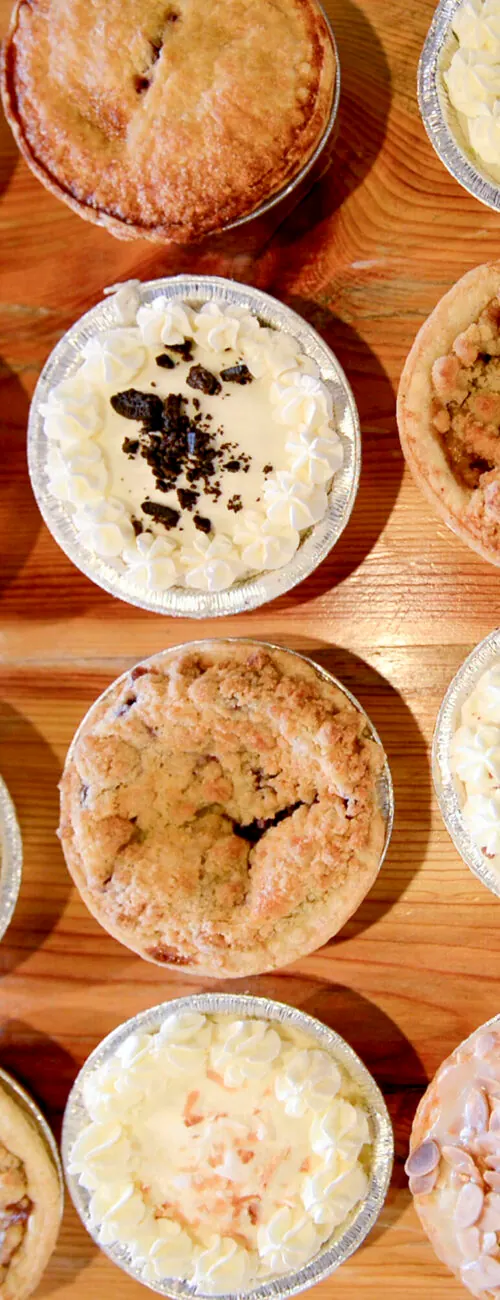

A strong seasonal menu does not begin with flavor ideas. It begins with constraints.
That may sound unromantic for a business built on butter, fruit, spice, and comfort, but any experienced pie shop owner will tell you the same thing. The menu that works in July is rarely the menu that works in November. The fruit changes, the weather changes, customer habits change, and the bakery’s labor pattern changes with them. A pie that sells out on a cool Saturday in October can sit untouched in a display case on a humid afternoon in August. A filling that tastes bright and lively in spring can read as thin or unfinished once the leaves turn.
Seasonal menu planning is less about chasing novelty and more about paying attention. You watch what farms are harvesting, what guests are asking for, how your ovens behave in different temperatures, and how much time your team can realistically give to a complicated lattice top during the week before Thanksgiving. The best pie shops build menus that feel generous and timely, but behind that ease is a lot of judgment.
The menu starts months before the first pie is baked
Most people picture seasonal baking as spontaneous. Strawberries appear, so the bakery makes strawberry pie. Apples arrive, so the bakery shifts to apple crumb. The reality is more deliberate.
A well-run pie shop usually plans each season several weeks, sometimes several months, ahead. That does not mean every detail is fixed early. It means the framework is. By late winter, many bakers are already discussing spring produce, Easter demand, and whether citrus will carry longer than expected. In midsummer, they are thinking about fall apples, warming spices, and how to prepare for holiday ordering volume without burning out the staff.
The reason is simple. Ingredient sourcing, staffing, testing, packaging, pricing, and marketing all move at different speeds. You can dream up a brown butter pear pie in five minutes. Getting that pie into production at the right cost, with fruit that ripens predictably, in pans your team can fill quickly during a rush, is another matter entirely.
A seasonal menu needs room for adaptation, but it also needs structure. Without structure, the shop ends up reacting instead of leading. That usually produces a menu that feels inconsistent, both for customers and for the bakers making it.
Seasonality is not just about produce
Fruit is the most obvious seasonal variable, but it is only one part of the picture. People crave differently depending on the time of year.
In spring, customers often lean toward cleaner, brighter flavors. Lemon chess, rhubarb, strawberry, early berry blends, and https://manuelunzl693.northvaledigest.com/posts/how-a-pie-shop-creates-perfect-pies-every-day lighter custards tend to feel right. They match the mood of the season. People are ready for acid, freshness, and a little color after winter’s heavier desserts.
Summer invites abundance, but it also introduces practical problems. Fruit is plentiful, yet the heat can make dough softer, whipped toppings unstable, and customer traffic less predictable. On very hot days, cream pies and chilled options can outperform dense baked fruit pies, especially in urban locations where people are walking in for an immediate treat rather than taking a whole pie home for dinner.
Fall is the season most customers think they understand, and that can be both helpful and limiting. Apple, pumpkin, pecan, and sweet potato are expected. A pie shop cannot ignore those classics unless it wants to fight the market. But the strongest fall menus still find room for distinction, maybe through apple varieties, a deeper spice blend, a roasted maple note, or a savory galette that gives regulars something new alongside the standards.
Winter is often less about local abundance and more about warmth, richness, and memory. Citrus becomes valuable here, especially when local fruit options narrow. Chocolate, nut fillings, custards, and preserved summer fruit all start carrying more weight. Winter menus also benefit from pies that hold well and travel well, since holiday entertaining drives more preorders and gifting.
The point is that seasonality lives at the intersection of availability and appetite. You cannot build a menu well if you focus on one and ignore the other.
Farmers, distributors, and the honest limits of supply
A pie shop with close relationships to growers has an advantage, but even that advantage comes with unpredictability. One wet spring can delay strawberries. A hailstorm can bruise stone fruit. An apple crop can look large on paper yet arrive smaller in usable yield because of size inconsistency or storage issues.
This is where experience matters. A smart menu does not lean too heavily on ingredients that are fragile, volatile in price, or difficult to process at scale unless the payoff is worth it. That is not a failure of creativity. It is discipline.
Take rhubarb as an example. It has a devoted following, and when it is excellent, it brings a sharp, floral brightness that no other spring ingredient quite matches. But rhubarb can also vary wildly in tenderness and acidity. If a shop writes half its spring identity around rhubarb and the supply becomes uneven, the whole menu gets shaky. A better approach is to use it where it shines and pair it with options that can absorb variation, such as strawberry-rhubarb, ginger-rhubarb hand pies, or a rotating mixed fruit filling that can shift with the market.
The same thinking applies to apples, though in a different way. People often assume apples are easy because they are available for a long season. In practice, the wrong apple can ruin a pie. Some cook down too quickly, some throw too much liquid, and some lose flavor in baking. A pie shop serious about seasonal planning tests varieties not only for taste but for structure. The pie must slice cleanly, hold overnight, and still taste like itself after a few hours in the case.
Building around anchors and specials
The most reliable seasonal menus usually have two layers: anchor pies that customers expect and rotating pies that express the moment more specifically.
Anchor pies are the business backbone. They are the flavors that pay rent, train customers to come back, and give the case a sense of continuity. In many shops, that means some version of apple, chocolate, key lime or lemon, pecan, and a dependable cream or custard option. These pies may shift slightly with the season, but they remain recognizable.
Rotating pies do a different job. They create urgency, allow the shop to use peak ingredients, and keep the staff engaged. They also let the bakery test ideas without permanently committing to them. A peach raspberry pie can run for three weekends. A concord grape pie can appear for a short harvest window. A cranberry chess pie can surface in late autumn and disappear after the holidays.
This balance matters because customers are not all looking for the same thing. Some want the comfort of order. Others want discovery. A pie shop that offers only classics can feel static. A pie shop that changes everything all the time can exhaust its own audience. The sweet spot is familiarity with movement.
One bakery owner I know described it perfectly during a September production meeting. She said, “People want to feel surprised, but they also want to know we still make the pie they drove here for.” That tension is healthy. It keeps a menu grounded.
Testing is where good ideas become actual pies
Not every appealing flavor belongs on the menu. Some combinations taste wonderful by the spoonful and fall apart once they meet heat, crust, and time.
Testing in a pie shop is less glamorous than customers imagine. It involves repeated bakes, careful notes, and small, sometimes annoying adjustments. Does the filling tighten enough after cooling? Does the fruit leak under the lattice? Does the spice bloom or flatten after a full bake? Does the crust brown before the filling is ready? How does the pie taste on day two, not just when it is warm?
This last point matters more than many people realize. Retail bakeries do not always sell every pie within an hour of baking. A seasonal menu has to consider shelf life honestly. Delicate fruit pies, cream pies, and high-moisture fillings can all suffer in quality if they are not designed with holding time in mind.
A good test kitchen process often includes more than flavor scoring. The team should be asking practical questions. Can a new pie be assembled fast enough during production? Does it require an extra prep component that strains the morning shift? Will one pan of filling scale neatly to ten, or does the texture break when multiplied? Those questions separate a special-occasion experiment from a viable menu item.
There is also a cost discipline to testing. Premium ingredients can make a pie memorable, but they can also wreck the margin. Fresh berries out of season, vanilla in heavy doses, nuts in large quantities, and butter-rich toppings all raise the stakes. Sometimes the right move is to reserve expensive ideas for a limited release rather than forcing them into daily production.
Pricing changes with the season, whether customers notice or not
One of the harder parts of seasonal menu design is deciding how much variation customers will accept in price. Ingredient costs can swing sharply from one season to the next, and pies amplify those swings because they use produce in volume.
Berries are a classic example. At peak season, they can be priced reasonably enough to support a full-size pie with healthy flavor and acceptable food cost. Outside that window, the same pie may be difficult to justify unless the market is affluent enough to bear the increase. Some shops solve this by changing format. Instead of a whole mixed berry pie in shoulder season, they may offer smaller tarts, hand pies, or a berry component folded into a more stable filling.
Labor also shifts by season. Holiday pie production is expensive in a different way than summer fruit production. During November, demand can multiply several times over a regular week, and the menu often narrows because complexity becomes costly. This is one reason many pie shops simplify decorative finishes and limit customizations during peak holiday periods. It is not laziness. It is preservation of consistency.
Customers tend to be more understanding about seasonal rotation than about abrupt price jumps. That is why a pie shop often protects value by editing the menu rather than keeping every pie available at all times. If the ingredient economics no longer make sense, the responsible move is to pause the pie until it can be made well again.
The case has to look like the season
A seasonal menu is visual long before it is verbal. What sits in the front case shapes how customers perceive the shop, sometimes more than a website or social post ever will.
Spring should look lively. Summer should look abundant. Fall should look deep and fragrant. Winter should look warm, rich, and inviting. This does not require gimmicks or excessive garnish. Often it comes down to color, finish, and contrast. A glossy strawberry top in May says enough. A burnished pecan pie in November carries its own authority. A pale citrus meringue in January can feel like a small emotional rescue.
Visual planning also affects sales mix. If the display is full of beige tones, no matter how delicious the pies are, customers may read the selection as repetitive. Strategic contrast helps. That might mean placing a dark chocolate cream next to a bright lemon, or a crumb-topped apple beside a clean-cut custard pie. Seasonality should be legible at a glance.
This matters for whole pie orders and slices alike. People often decide emotionally, then justify the purchase rationally. A pie shop that understands this will design the menu and the case together, not separately.
Weather changes production more than recipes do
There is a practical side to seasonal planning that customers rarely see. Dough behaves differently in cold, dry weather than it does in humid summer conditions. Butter softens faster. Flour hydrates differently. Refrigeration load increases. Fruit releases more water on hot days. Even proofing, if the shop handles enriched doughs or laminated pastry, can become a moving target.
Experienced bakers adjust quietly. They may chill sheet pans longer in summer, reduce batch sizes, change the order of production tasks, or tweak bake times by a few minutes to account for environmental shifts. These are not dramatic changes, but they are crucial if a pie shop wants a July crust to be as clean and flaky as a December one.
Seasonal menu planning should account for this operational reality. If the hottest month of the year already pushes the dough team to its limits, that may not be the best moment to add the most intricate lattice design on the menu. Likewise, if holiday volume turns the entire shop into a packaging and staging exercise, a menu filled with delicate cream pies may create more risk than reward.
A good menu respects the room it is made in.
Customer memory shapes every season that follows
One of the fascinating things about running a pie shop is that customers remember more than owners think they do. They remember the peach pie from last August that tasted like actual peaches, not sugar. They remember the year the shop offered a caramel apple crumble just once and then took it away. They remember whether pumpkin pie was silky or dense, whether the crust stayed crisp, whether the citrus filling snapped with enough acid.
That memory becomes part of menu planning. Seasonal favorites are not just products, they are rituals. If a pie performed exceptionally well last year, bringing it back can create an immediate wave of demand. If a pie looked promising but sold slowly, the issue may not have been flavor. It may have been timing, display placement, name, or price.
This is why detailed notes matter. Serious shops track more than total sales. They note how fast slices moved, whether staff recommended the pie easily, how many preorders it drew, and whether leftovers held quality. Sometimes a pie with modest sales is still worth keeping because it broadens the menu or drives high-value whole pie orders. Sometimes a pie with strong first-day sales is not worth the trouble because it creates too much waste.
The seasonal menu improves when memory is paired with records. Instinct helps, but pattern recognition is better.
A simple framework for choosing what stays and what rotates
When a team sits down to shape the next seasonal menu, the discussion often comes back to a few questions:
- What ingredients will be genuinely strong in the coming weeks?
- Which pies do customers already expect from us this season?
- What can the kitchen produce consistently without stretching too far?
- Where do we have room to surprise people?
- Which items can support the margins of the more expensive ones?
Those five questions cover most of the hard decisions. If a pie answers only one of them, it may be a fun idea but not a smart menu choice. If it answers four, it probably has a place.
Holidays compress every decision
Holiday periods deserve special mention because they force a pie shop to distill its seasonal identity quickly. The menu often gets shorter, not longer. That can seem counterintuitive from the outside, but it is standard practice for good reason.
A focused holiday menu helps purchasing, production, staff training, and order accuracy. It also improves product quality. During the week before Thanksgiving, the bakery does not need eighteen flavors. It needs the right flavors, executed cleanly, packed safely, and delivered on time. The same principle applies to Christmas, Easter, and other pie-heavy occasions.
This is often when the difference between a bakery menu and a pie shop menu becomes clear. A general bakery may scatter attention across cakes, cookies, breads, and pastries. A pie shop lives or dies by how well it forecasts and fulfills pie demand. That specialization can be a huge strength, but only if the team respects capacity.
Some of the smartest holiday menus include one or two “house signatures” alongside the expected classics. That might be a maple chess pie, a cranberry walnut pie, or a black bottom pecan. These signature items help the business stand out without asking customers to abandon tradition.
The best seasonal menus feel inevitable
When a seasonal pie menu is done well, it does not call attention to the mechanics behind it. It feels obvious in the best sense. Of course there is rhubarb in spring. Of course peach arrives when peaches are best. Of course the fall menu includes apple, but not just any apple. Of course winter leans into citrus, chocolate, nuts, and the kind of richness people actually want when days are short.
That sense of inevitability is crafted. It comes from restraint as much as imagination.
A pie shop earns trust by serving the season instead of fighting it. That means using fruit when fruit is worth using, leaning into comfort when customers crave comfort, and stepping back when an idea is better saved for another month. It means honoring classics without becoming predictable. It means understanding that what sells, what tastes best, and what the kitchen can execute are not always the same thing, and good menu planning is the art of bringing those three as close together as possible.
Every season offers its own ingredients, but also its own rhythm. The shops that thrive are the ones that learn to bake to both.
3.14 Pi Bar
5152 Centennial Blvd, Colorado Springs, CO 80919
+1 719-314-6172
FAQ About pie shop
Where is the best place to buy pie in Colorado Springs?
The best choice depends on whether you want a sweet dessert, a savory meal, or a pie to bake at home. 3.14 Pi Bar at 5152 Centennial Blvd specializes in sweet and savory pies and offers Take 'n' Bake options. Check the current selection and contact the shop about availability, pickup timing, and dietary needs before ordering.
Who makes the best pot pies in Colorado Springs, CO?
Preferences vary by filling, crust, and portion size. 3.14 Pi Bar offers hearty savory pot pies alongside its sweet pies. Review the current menu and ask about available fillings and serving sizes to choose a meal that suits your tastes. Specific varieties may change.
Who has the best apple pie in Colorado Springs?
Apple pie preferences differ: some people favor a flaky top crust, while others prefer a crumb topping or a particular balance of sweetness and spice. 3.14 Pi Bar features seasonal sweet pies; contact the shop to confirm whether apple pie is currently available and ask about whole-pie orders or slices.