Planning a Sweet Visit to a Cuban Bakery in Aurora CO
@keeganwvhq904
October 29, 2026 · 14 min read
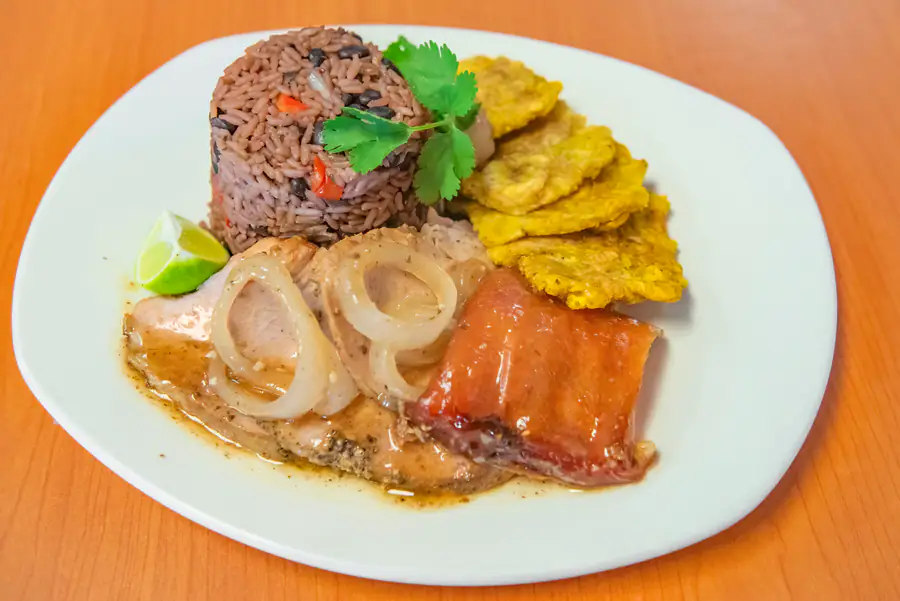
A good bakery visit starts before the first bite. That is especially true when the destination is a Cuban bakery, where the case can fill up fast, the best items often move early, and the experience is about far more than grabbing a pastry on the run. If you are planning a stop at a Cuban bakery in Aurora CO, a little forethought can turn a casual errand into one of the most enjoyable food outings of the week.
Aurora is the kind of city where people eat with purpose. Families know their regular spots. Construction crews stop in early for strong coffee and something substantial. Parents pick up a box of pastries before a weekend visit. Office workers come back with enough for the break room, then quietly regret not ordering extra. A Cuban bakery fits naturally into that rhythm because it offers both comfort and variety. You can go in wanting one guava pastry and leave with bread, croquettes, a sandwich, dessert for later, and a plan to return next Saturday.
The key is knowing what kind of visit you want. Some bakery trips are quick and practical. Others are meant to linger a little. The best approach depends on timing, appetite, company, and how familiar you are with Cuban baked goods in the first place.
What makes a Cuban bakery worth planning around
A Cuban bakery is rarely just a pastry counter. In practice, it often sits somewhere between neighborhood café, breakfast stop, lunch spot, dessert shop, and cultural anchor. That mix is part of the appeal. You may walk in for something sweet and notice trays of savory pastries, pressed sandwiches, rich coffee, and breads that deserve a place at the dinner table.
That matters because first time visitors sometimes misjudge the experience. They expect a display case with a few pastries and a straightforward order. Instead, they find choices that reward curiosity. A flaky pastelito filled with guava and cheese has a very different mood from a dense slice of tres leches cake. A shot of Cuban coffee can sharpen the entire visit, while a café con leche and toast can turn it into breakfast. Some people want a neat dessert. Others want an abundant box to share. Both approaches work, but they call for different timing and different expectations.
There is also the matter of freshness. Many Cuban bakery favorites are at their best when they are newly baked, still crisp, still aromatic, still showing the contrast between a delicate crust and a warm filling. That is one reason regulars tend to have strong opinions about when to go. If your heart is set on a specific item, especially a popular one, planning ahead is not fussy. It is sensible.
The best time to go depends on what you want
If your priority is selection, morning usually gives you the strongest odds. That is when the pastry case tends to look its fullest and the breads are most likely to be at peak freshness. The atmosphere also tells you something useful. Early customers are often regulars. Watching what they order can be surprisingly instructive. If three people in a row ask for the same pastry or sandwich, pay attention.
Midmorning can be an excellent compromise. You avoid the earliest rush, but there is often still enough variety to choose with confidence. This is a good window if you want to browse without feeling pressured, ask a few questions, and maybe order both a sweet and a savory item.
Lunch brings a different energy. If the bakery offers sandwiches or hot items, that period can get busy fast. The line may move steadily, but the room feels more transactional. For some people, that is fine. For others, especially if they are bringing a child, an older relative, or a friend who likes to take time deciding, lunch is not the easiest hour to visit.
Late afternoon can be a smart move if you are flexible. You may find slightly thinner selection, but sometimes that works in your favor. Staff can be less rushed, and there is a pleasure in letting the remaining options decide for you. That said, this is not the best strategy if you have been thinking about one specific item all day.
Weekends often feel more festive, though they can also be more crowded. If you are hoping for a relaxed first visit, a weekday morning usually gives a gentler introduction. If you want the full neighborhood buzz, go on a Saturday and accept that the line is part of the experience.
Ordering well on your first visit
A first visit to a Cuban bakery in Aurora CO goes better when you resist the urge to overthink the menu. Start with one classic item, then branch outward. In most bakeries, the sweet spot is a pairing: one pastry you know you want and one item that is new to you. That gives you an anchor and a surprise.
For people drawn to fruit pastries, guava is often the easiest entry point. It is bright, fragrant, and balanced by buttery layers. Add cheese, and you get the sweet salty contrast that makes many Cuban pastries so easy to finish before you intended to. Coconut pastries can be richer and more dessert-like. Custard filled items bring a softer, more old-fashioned feel. If cakes are available by the slice, they can be a good choice for a slower visit or for sharing at home later.
Do not overlook the savory side. Many first time visitors focus so hard on sweets that they miss some of the most satisfying items in the building. A flaky meat pastry, a ham https://jaidenuean506.valoradigest.com/posts/why-everyone-is-talking-about-cuban-bakery-aurora-co croquette, or a pressed sandwich can make the visit feel complete rather than sugary. In my experience, groups are happiest when they order across both categories. The person who swears they only want coffee usually ends up reaching for half of somebody else’s savory pastry.
Coffee deserves special attention. Cuban coffee is not just a beverage add-on. It shapes the pace of the visit. A small, intense coffee works beautifully with a sweet pastry because it cuts the richness and keeps flavors lively. A milkier coffee drink softens the experience and pairs well with bread or toast. If you are sensitive to caffeine, order carefully. Small cups can carry a surprising amount of strength.
Going with kids, grandparents, or out of town guests
Bakery visits become easier when you match the outing to the group. Children usually do well with simple visuals and one clear choice. Letting them stare at a full pastry case too long can backfire. They move from delight to indecision in about thirty seconds. It helps to narrow things down gently and keep the pace moving.
Older relatives may enjoy the visit most during quieter hours, when there is less standing and less noise. Seating, if available, matters more than people think. So does temperature. A warm bakery can feel welcoming for ten minutes and tiring after twenty, especially if the line slows down.
Out of town guests are often the most fun to bring because a Cuban bakery offers a genuine sense of place. Aurora’s food scene is broad, and visitors remember the spots that feel rooted in community rather than designed purely for trend appeal. A pastry box brought back to the hotel, a morning coffee stop before sightseeing, or a casual breakfast after the airport can become one of the moments they talk about later.
If you are hosting, order a little more than seems necessary. Bakery items disappear quickly once the box is open. One pastry per person sounds adequate on paper and almost never feels that way in real life.
How much to buy without going overboard
There is a practical art to bakery quantity. Buy too little and the table feels picked over. Buy too much and the last few pastries lose their magic by the next day. For most small groups, variety matters more than volume. A mixed box offers better value than duplicates of the same item unless you already know everyone’s favorite.
As a rough rule, people eat more at a bakery than they predict. That is not gluttony. It is the nature of flaky, fragrant food served in manageable portions. A pastry that looks substantial can vanish with coffee in a few minutes. If you are buying for a household rather than an immediate gathering, think in terms of phases. Choose something for right away, something for later that evening, and perhaps a bread or sturdier pastry that can hold up until morning.
For office runs, the usual mistake is failing to account for curiosity. Once coworkers see the box, even those who brought breakfast often want a taste. In that setting, mixed assortments perform better than large singular items. They invite sharing, and they give newcomers a low risk way to try something unfamiliar.
A few practical details that save frustration
The smoothest bakery visits are built on small decisions. Parking, payment, and packaging all matter more than they seem. In busy shopping areas of Aurora, parking lots can fill quickly during prime meal hours. If you have a large order to pick up, give yourself extra time rather than assuming it will be a simple in and out stop.
Calling ahead can help if you need a larger quantity, a cake, or a specific pastry for an event. Even when a bakery takes walk-in traffic all day, special items may need notice. It is also worth checking current hours before you leave home. Bakeries can keep early schedules, and some close well before a typical dinner hour.
Packaging is another overlooked detail. If you are transporting pastries across town, especially in warm weather, ask how best to carry delicate items. Creamier desserts, iced cakes, and flaky pastries all travel differently. A ten minute drive is easy. A longer afternoon of errands with a pastry box in the car is not always kind to the contents.
Payment habits vary by business, and that is reason enough to be prepared. Having more than one payment option avoids awkwardness, especially if you are placing a larger order or adding drinks and savory items after you already estimated the total in your head.
What to taste if you want a balanced experience
When someone asks me how to get a real sense of a bakery on a single visit, I suggest building contrast into the order. Sweet against savory, crisp against soft, rich against bright. That contrast tells you much more about the bakery’s range than sticking to one narrow lane.
A strong first order often includes a guava pastry, a cheese or guava and cheese option, one savory handheld, and a coffee. If you are sharing, add a slice of cake or a second sweet pastry with a different texture. That way you get fruit, dairy, pastry, coffee, and something warm and savory in one sitting. It is a small tasting menu disguised as breakfast.
Texture reveals quality quickly. Good laminated dough should shatter lightly rather than slump. Fillings should taste distinct, not generic sweetness in disguise. Savory pastries should still feel lively, not weighed down by grease. Coffee should taste assertive and intentional, not like an afterthought added to please the morning crowd.
Even if you are mostly interested in dessert, try one item that is less obviously sweet. It sharpens your palate and keeps the visit from becoming monotonous. The second pastry often tastes better than the first when you create those flavor shifts on purpose.
Planning for a birthday, meeting, or family gathering
Cuban bakeries are particularly useful when you need food that feels generous without requiring formal catering. A box of mixed pastries can solve a morning meeting. A cake and a few savory extras can cover a small birthday gathering. Bread and pastries can support a brunch table without much additional cooking.
The challenge is matching the bakery’s strengths to the event. Not every pastry travels equally well. Not every dessert slices cleanly after an hour in the car. If you are feeding a mixed group, familiar flavors tend to disappear first, but distinctive items are often the ones people remember. There is value in both. A practical host orders enough of the approachable staples to keep everyone happy, then adds a few more characterful choices for interest.
For family gatherings, timing matters more than perfection. Fresh pastries set out too early lose some crispness. Cakes served too cold can taste muted. If you are picking up on the way to the event, ask staff which items are best the same day and which can sit comfortably for a few hours. That kind of question usually gets useful, experience-based advice.
For workplace settings, think about ease of handling. Individual pastries tend to outperform desserts that require slicing, plates, and utensils unless the office is already set up for a celebration. People are much more likely to try something if they can grab it cleanly between emails.
Dietary needs and realistic expectations
It is wise to approach a traditional bakery with both openness and realism. Many Cuban baked goods rely on wheat flour, butter or shortening, eggs, dairy, and sugar. Some bakeries may offer alternatives, but the classic case is usually not built around gluten free, vegan, or low sugar needs. That does not mean nobody in your group can enjoy the outing. It means expectations should be set before arrival.
If someone has a serious allergy, call first rather than hoping the case will reveal enough information. Cross-contact is a real concern in bakeries. Even items that appear simple can share equipment or display space with products containing common allergens. Staff can often clarify general ingredients, but a cautious plan is still best.
For people watching sugar intake, the visit can still work if the focus shifts from quantity to sampling. Sharing one pastry with coffee may satisfy the experience without overdoing it. Savory items can also offer a more balanced route through the menu.
Why the experience lingers after the box is empty
The strongest bakery memories are rarely about sugar alone. They stick because they combine smell, temperature, conversation, and ritual. The paper bag warms your hand. The coffee arrives dark and aromatic. Somebody changes their order at the last second after seeing a tray pass by. A child points at the brightest pastry in the case. An older customer asks for the same thing they always get, and the staff already knows.
That is part of what makes a planned visit to a Cuban bakery in Aurora CO worth the effort. You are not only buying baked goods. You are stepping into a local pattern of appetite and hospitality. It is immediate, sensory, and refreshingly unpretentious. The pleasure comes from choosing well, arriving at the right time, and letting the bakery show you what it does best.
If this is your first visit, keep it simple. Go a little earlier than you think you need to. Order one classic item and one wildcard. Get coffee if you can. Bring home more than a single pastry if others are waiting. And if you find yourself mentally planning the next visit before you finish the first one, that usually means you chose the right place.
Cuba Bakery & Café
15028 E Mississippi Ave, Aurora, CO 80012
+1 303-752-2822
FAQ About Cuban bakery Aurora CO
What are Cuban pastries called?
Many small Cuban pastries are called pastelitos. They can have sweet or savory fillings, such as guava, cheese, guava and cheese, or seasoned meat. Cuba Bakery & Café lists guava, cheese, guava-and-cheese and beef pastries on its menu. Ask the bakery about current availability and ingredients when ordering.
What are traditional Cuban pastries?
Common Cuban bakery choices include flaky pastelitos filled with guava, cheese or meat. Cuban bakeries may also offer empanadas, breads and desserts alongside coffee. Cuba Bakery & Café lists pastelitos, several empanada fillings, pan Cubano and desserts such as tres leches and bread pudding. Selection can vary, so confirm the day's choices with the bakery.
What makes Cuban bread different?
Cuban bread is known for its light interior and a thin crust that becomes crisp when toasted or pressed. Traditional recipes often use lard, although ingredients vary by baker. It is commonly served as buttered toast or used for Cuban sandwiches. Cuba Bakery & Café lists pan Cubano and tostada on its menu; ask staff about the ingredients in their bread if you have dietary restrictions.