The Best Reasons to Support a Cuban Bakery in Aurora CO
@keeganwvhq904
October 29, 2026 · 16 min read
Walk into a good bakery early enough, and you can tell almost everything you need to know before you take a bite. The air carries butter, sugar, yeast, coffee, and something toasted at the edges. Trays move from oven to cooling rack. Someone behind the counter answers a question without looking up because they have done it a thousand times. Regulars drift in with purpose. They know what sells out first.
That kind of place matters more than people sometimes realize. A neighborhood bakery is never just about pastries. It is about skill, routine, local jobs, hospitality, and the quiet way food anchors memory. When that bakery happens to specialize in Cuban baking, it brings even more to the table: a distinct culinary tradition, a specific sense of welcome, and flavors that are difficult to replicate in generic chains.
For anyone deciding where to buy breakfast, bread, desserts, or catering for a gathering, there are strong reasons to support a Cuban bakery in Aurora CO. Some are practical. Some are cultural. Some become obvious only after you have relied on one for a while and noticed how often it improves ordinary days.
A bakery like this gives a city more character
Aurora is not short on places to eat, and that is part of what makes the local food scene interesting. The city has long reflected a mix of communities, traditions, and small businesses built by people who brought recipes and work ethic from somewhere else, then adapted them to Colorado life. A Cuban bakery fits naturally into that landscape.
The first reason to support one is simple: it makes the city more itself. Independent food businesses shape the identity of a place far more than national chains do. A strip center with the same coffee shop, sandwich counter, and frozen dessert franchise found in any suburb is convenient, but it does not tell you much about the community around it. A Cuban bakery does. It says that people here care enough about distinct food traditions to sustain them. It says Aurora has room for businesses with a point of view.
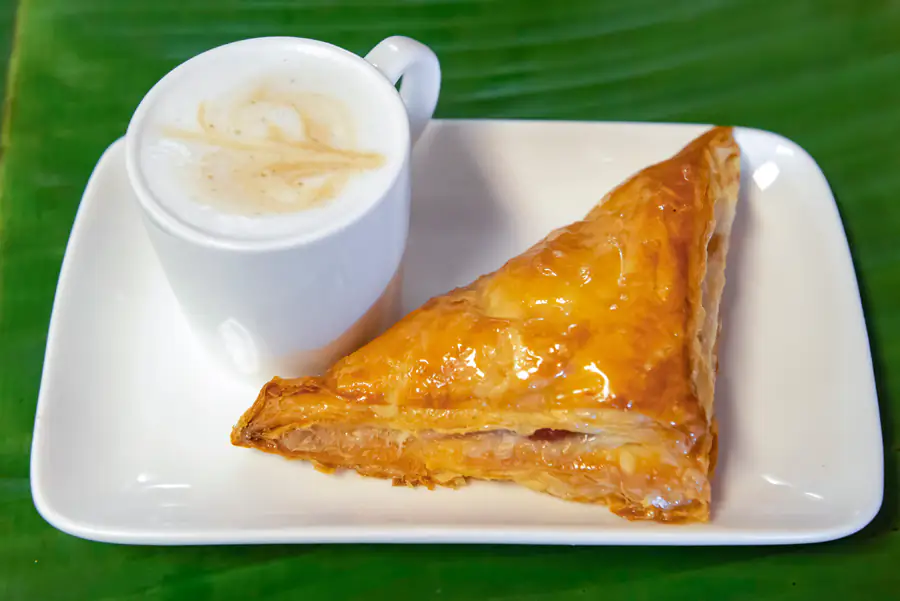
That matters for residents, and it matters for visitors too. Many people judge a city by where locals actually line up on a Saturday morning. If they find a bakery turning out pastelitos, Cuban bread, guava pastries, croquetas, and strong coffee, they remember it. Those businesses create the kinds of food experiences that stay with people because they feel rooted rather than manufactured.
The baking is often more labor-intensive than it looks
One of the best reasons to support a Cuban bakery in Aurora CO is respect for the craft itself. Good bakery work is physically demanding, time-sensitive, and hard to fake. The final products may look effortless in the display case, but behind them sits a routine of proofing, mixing, laminating, shaping, baking, cooling, filling, glazing, wrapping, and repeating.
A flaky pastry does not happen by accident. Neither does bread with the right chew and crust, or a savory item that stays crisp instead of turning greasy. In bakeries with deep tradition, consistency comes from repetition and judgment. Bakers learn how dough behaves when the weather changes, how long a filling needs to cool before it can be folded into pastry, and when a product should come out of the oven based on color and feel rather than a timer alone.
Colorado adds its own challenge. Altitude affects moisture, fermentation, and baking times in ways that can frustrate even experienced cooks. For a bakery producing classic items rooted in another region, adaptation takes knowledge. Recipes cannot always be transplanted unchanged. Bakers have to make small corrections that preserve the spirit and texture of the original while responding to local conditions. Customers rarely see that work, but they benefit from it every time they buy something that tastes balanced and fresh.
Supporting that effort means backing real skilled labor. It means valuing food made by people who know what they are doing, not just heating up frozen inventory shipped from elsewhere.
Cuban baking offers flavors that chain bakeries cannot match
A lot of chain bakeries work from a broad formula. They need products that offend no one, travel well, and taste roughly the same in every location. That approach produces consistency, but it often flattens character. Cuban baking moves in a different direction. It tends to be bolder, more aromatic, and more specific.
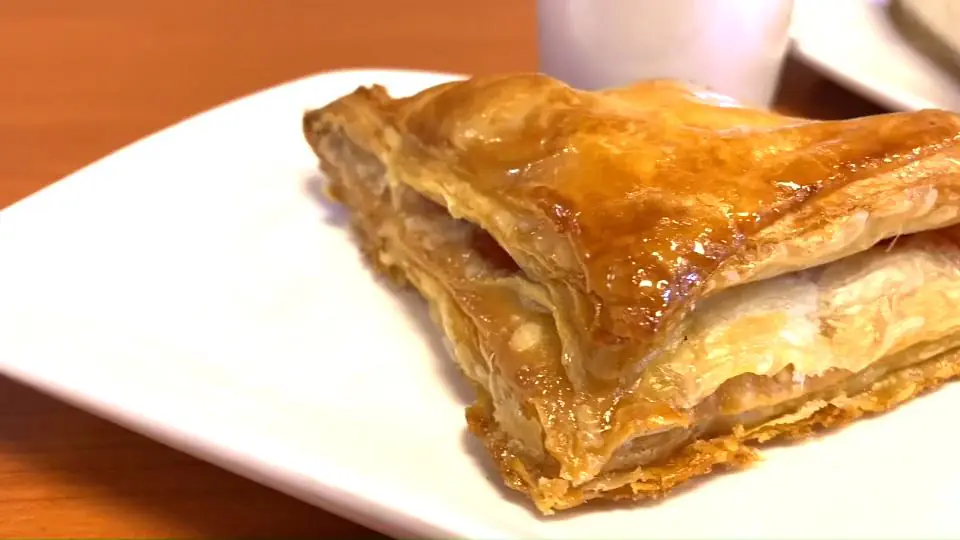
The contrast shows up immediately in the pastry case. Guava and cheese is a classic combination for a reason. The fruit brings brightness and floral sweetness, while the cheese provides richness and a slight tang that keeps the pastry from becoming cloying. A well-made pastelito has a crisp outer structure and a center that feels generous without being messy. It is not just sweet. It is layered in a way that rewards another bite.
The same is true of savory items. A good croqueta has to hit a narrow target. Too dense, and it eats heavy. Too loose, and it falls apart. Too oily, and the flavor gets buried. Done right, it is deeply satisfying and ideal with coffee or as part of a quick breakfast. Cuban bread, often underestimated by people unfamiliar with it, is another example. Fresh from the bakery, it can carry sandwiches beautifully, but it also stands on its own with butter or alongside a meal.
Desserts often carry a distinct profile as well. You may find flan with a clean custard texture, cakes suited to birthdays and family celebrations, and cookies or sweets that are tied to specific habits and holidays. These are not novelty items. They are foods people grew up with, foods they expect to taste a certain way.
That authenticity has value. It expands the local palate and gives longtime fans access to flavors that might otherwise require a long drive or a plane ticket.
Local spending does more than people think
People often talk about supporting small business in abstract terms, but the economic effect is practical and immediate. Money spent at an independent bakery tends to circulate locally in a way chain spending does not. The owners are more likely to live nearby, hire nearby, and source some goods and services from other nearby businesses. They pay local rent, rely on local repair technicians, work with local accountants, and often donate to local schools, churches, clubs, or fundraising efforts when asked.
That pattern matters in a city like Aurora, where neighborhood commercial corridors can either feel active and stable or hollowed out and interchangeable. A busy bakery helps keep a retail area alive. Foot traffic supports neighboring shops. Early morning business improves visibility for the block. Repeat customers establish a rhythm that benefits more than one storefront.
It also creates entry-level and skilled jobs. Bakeries need counter staff, prep workers, decorators, bakers, dish support, and managers. Some of those positions become long-term careers. Others give younger workers a first serious lesson in timeliness, customer service, and responsibility. Food businesses are demanding workplaces, but they teach useful habits fast.
Supporting a Cuban bakery in Aurora CO is not charity. It is a sensible economic choice if you care about a city where independent businesses can survive and where commercial districts have texture instead of sameness.
Food keeps culture alive in a way brochures never can
There is a practical side to supporting any bakery, but there is also a cultural one. Food traditions survive because people continue making, buying, and sharing them. Once that chain breaks, recipes flatten, substitutions pile up, and eventually something meaningful turns into a vague imitation.
A Cuban bakery preserves more than menu items. It preserves habits. Morning coffee taken standing at the counter. Picking up pastries for the office because that is what good hosts do. Ordering a cake that looks and tastes familiar enough to make a birthday feel right. Introducing children to the foods their parents or grandparents grew up with. These are small acts, but together they carry identity forward.
For Cuban families and for the wider Latino community, that continuity can be deeply important. For customers outside the culture, it offers respectful access to a living tradition rather than a watered-down version packaged for trend value. That exchange is one of the healthiest things a diverse city can offer. People learn each other’s foods, then each other’s stories.
It is worth noting that authenticity is not always rigid. Good immigrant-owned businesses often balance preservation with adaptation. They may keep core recipes intact while adjusting offerings based on local demand, ingredient availability, or the realities of a mixed customer base. That is not dilution by default. Often it is the natural evolution of a business trying to serve both community regulars and curious newcomers. The strongest bakeries know where to compromise and where not to.
Freshness changes the whole experience
One of the easiest ways to understand the value of a neighborhood bakery is to compare fresh product with mass-produced inventory that has been stored, shipped, thawed, and displayed under ideal lighting. The difference is not subtle.
Fresh bread has aroma. Fresh pastry still carries contrast between its exterior and filling. Fresh savory items hold the texture they were designed to have. Coffee paired with something baked that morning tastes different because the pastry itself is still alive in a sense. Steam has only recently left it. Butter has not turned waxy. Sugar has not absorbed ambient moisture from sitting all day.
Customers notice this even if they cannot explain it technically. They start timing their visits around the bakery’s production rhythm. They ask what just came out. They know some items are best in the first few hours, while others, like certain cakes or custard desserts, may actually settle nicely after a little time. This kind of relationship with food is healthier than passive consumption. It reminds people that baked goods are not industrial objects. They are perishable, seasonal in subtle ways, and tied to the workday of the people making them.
That freshness also matters for events. If you are ordering pastries for an office meeting, sandwiches on Cuban bread for a family lunch, or desserts for a celebration, quality holds better when the product starts from a high baseline. A tray of genuinely fresh pastries disappears quickly for a reason.
Hospitality is often part of the value
There is a kind of service that only independent food businesses tend to deliver consistently. It is not polished corporate friendliness. It is more personal and, when done well, more useful. Staff remember what regulars order. They steer first-time customers toward items that fit their taste. They tell you what is selling fast that day. If you are ordering for a crowd, they can suggest quantities based on actual experience rather than a script.
That matters because bakeries are often woven into routines and milestones. Customers stop in before work, bring relatives after church, order cakes for birthdays, or pick up trays for graduations and baby showers. Over time, the bakery becomes part of family logistics. People rely on it not just for food, but for competence.
The best places build trust gradually. They get a custom order right. They package things well. They are honest about lead time during holiday rushes. They let you know what they can and cannot do. Those details may sound ordinary, but anyone who has organized a gathering knows how valuable they are.
When people support a Cuban bakery in Aurora CO, they are often supporting a business that still treats hospitality as a craft of its own.
It is one of the best places to learn through eating
Not every food experience needs to be educational, but the https://lorenzolhtl597.northstarcolumn.com/posts/a-local-s-guide-to-cuban-bakery-favorites-in-aurora-co good ones often are. A neighborhood bakery can introduce customers to combinations and textures they may not seek out on their own. That kind of discovery is easier in a bakery than in a formal restaurant because the commitment is smaller. You can try one pastry, one savory item, one dessert. If you love it, you come back and branch out.
For parents, this can be an especially good way to broaden children’s food horizons without pressure. A pastry case invites curiosity. Bright guava filling, sugar-dusted surfaces, layered doughs, and neatly arranged savory snacks do not feel intimidating. Children who might resist a complicated unfamiliar entrée will often happily try a bite of a sweet pastry or a warm roll. That is how tastes expand.
For adults, bakeries also sharpen judgment. Once you have had truly good versions of certain items, you start to recognize shortcuts elsewhere. You notice stale oil, over-sugared fillings, dry cake, underproofed bread, weak coffee, or frozen-thawed textures. Better standards make for better local food culture overall. Businesses improve when customers know the difference.
It is a practical option for everyday meals and special occasions
People sometimes think of bakeries as occasional indulgences, but a good Cuban bakery can serve everyday needs surprisingly well. Breakfast is the obvious example. Coffee and a savory pastry or toast can beat a drive-thru meal on both flavor and satisfaction. Lunch may be covered too, especially if the bakery offers sandwiches, savory pastries, or light prepared foods. A loaf of fresh bread or a box of pastries can also solve the small but constant question of what to bring when visiting friends or family.
Then there are celebrations. This is where local bakeries often earn customer loyalty for life. A reliable cake for a child’s birthday, pastries for an office holiday, dessert trays for a retirement party, or dozens of items for a weekend event can turn a bakery from a convenience into a trusted institution.
A few practical advantages stand out:
- You can often order quantities and combinations that suit the actual event, rather than settling for fixed party packages.
- Freshness is usually better because production happens closer to pickup time.
- Staff can tell you which items travel well, which need refrigeration, and what tends to please mixed groups.
- There is often more flexibility for cultural preferences and family traditions.
- The overall value can be stronger than people expect, especially compared with premium chain pricing.
That last point deserves attention. Independent bakeries are not always cheaper on every item, and they should not have to be. Labor, ingredients, and rent are real. But value is more than sticker price. If the product tastes better, feels more generous, and leaves less untouched on the table, many customers find the math works in favor of quality.
There is a social ripple effect to becoming a regular
Regular customers help stabilize small food businesses, but the relationship goes both ways. Becoming a regular at a bakery can change how connected you feel to your neighborhood. You start recognizing other customers. You learn when busy times hit. You hear snippets of local news. You exchange recommendations. You stop treating the city as a place you merely drive through and start participating in it.
That social function may sound minor until it disappears. Many people spend large parts of their week in isolated patterns: home, car, office, errands, home again. Third places, those everyday locations that are neither home nor work, help break that isolation. Bakeries do this particularly well because they are low-pressure environments. You do not need a reservation. You do not need a special occasion. You just show up.
A Cuban bakery, with its strong coffee, conversational atmosphere, and steady flow of regulars, can become exactly that kind of place. Even brief interactions matter. A city feels healthier when residents have familiar local stops where they are known, however lightly.
Supporting one now helps ensure it is there later
Food businesses, especially independent ones, operate on thin margins more often than customers realize. Ingredient costs swing. Labor is hard to find and harder to retain. Equipment fails at inconvenient times. Seasonal demand shifts. A few slow weeks can create genuine pressure. Communities usually notice the value of a beloved bakery most sharply after it closes.
That is why support should not be treated as a sentimental idea reserved for Small Business Saturday. If a bakery adds real value to daily life, the most meaningful support is consistent patronage. Buy the bread there. Order the birthday cake there. Bring visiting friends there. Recommend it thoughtfully when someone asks where to find good pastries or coffee in Aurora.
If you are new to the experience, it helps to approach with curiosity and a little intention. Ask what they are known for. Try a sweet item and a savory one. Visit at different times to see what rotates. Notice what regulars are buying in multiples. Those habits usually tell you where the strengths are.
Why this choice tends to reward customers immediately
Some forms of local support are long-range and abstract. This one is easier. You do not need to wait years to see the benefit. The return is immediate: better pastry, better bread, stronger coffee, more memorable gatherings, and a food experience with real personality. The broader advantages, stronger local business districts, cultural continuity, neighborhood familiarity, come along with it.
That is the appeal of supporting a Cuban bakery in Aurora CO. It is a principled choice that does not ask customers to settle. Quite the opposite. It asks them to expect more from everyday food. More flavor. More craft. More connection. More of the city’s actual character.
And once people get used to that standard, it becomes hard to go back to places that offer plenty of convenience but very little life.
Cuba Bakery & Café
15028 E Mississippi Ave, Aurora, CO 80012
+1 303-752-2822
FAQ About Cuban bakery Aurora CO
What are Cuban pastries called?
Many small Cuban pastries are called pastelitos. They can have sweet or savory fillings, such as guava, cheese, guava and cheese, or seasoned meat. Cuba Bakery & Café lists guava, cheese, guava-and-cheese and beef pastries on its menu. Ask the bakery about current availability and ingredients when ordering.
What are traditional Cuban pastries?
Common Cuban bakery choices include flaky pastelitos filled with guava, cheese or meat. Cuban bakeries may also offer empanadas, breads and desserts alongside coffee. Cuba Bakery & Café lists pastelitos, several empanada fillings, pan Cubano and desserts such as tres leches and bread pudding. Selection can vary, so confirm the day's choices with the bakery.
What makes Cuban bread different?
Cuban bread is known for its light interior and a thin crust that becomes crisp when toasted or pressed. Traditional recipes often use lard, although ingredients vary by baker. It is commonly served as buttered toast or used for Cuban sandwiches. Cuba Bakery & Café lists pan Cubano and tostada on its menu; ask staff about the ingredients in their bread if you have dietary restrictions.